
Welcome back to thedailynote.blog! If you are searching for the best healthy lifestyle habits or wondering how to take proactive control of your wellbeing in 2026, you are in exactly the right place. The way we view health has fundamentally shifted. We are moving away from reactive, quick-fix diets and pivoting toward intentional, holistic health practices that address the root causes of chronic conditions.
Today, we are diving deep into the most critical lifestyle modifications defining this year. Whether you are looking to cultivate a stress-free life, heal your microbiome, lower your blood pressure, or manage your blood sugar, these evidence-based habits will help you optimize your health span.
1. Cultivating a Stress-Free Life: Neuro wellness and Mindfulness

We spend hours every single day glued to our screens, and it is taking a physiological toll on our nervous systems. Because of this, neurowellness—the practice of actively regulating the nervous system—has become a massive priority in 2026.
To combat burnout, people are widely adopting digital minimalism habits. Inspired by the need to disconnect, individuals are fundamentally changing how they interact with tech by keeping the first and last 30 minutes of their day completely screen-free. By turning off non-essential notifications and leaving phones out of the bedroom, people report that their overall anxiety plummets and their mental clarity improves.
Somatic Practices for Nervous System Regulation
Beyond putting the phone down, somatic healing is emerging as a powerful, body-centered approach to stress management. Unlike traditional methods that rely solely on thinking through stress, somatic therapy recognizes that trauma and anxiety are stored physically in the body.
You can try these highly searched stress relief methods at home:
- Grounding: Sit with your feet flat on the floor and focus entirely on the physical sensation beneath you to anchor yourself to the present moment.
- Progressive Muscle Relaxation: Start by tensing the muscles in your face for 5 seconds, then completely release. Move systematically down through your shoulders, chest, and legs to release stored physical tension.
- Somatic Release: Gently tap or rub your arms and legs, or practice three-dimensional deep breathing to calm an overactive, fight-or-flight nervous system.
2. Revolutionizing Gut Health and the Microbiome
The human gut microbiome—a complex community of trillions of microorganisms—is now recognized as a major regulator of our immune system, metabolism, and even our brain activity. In 2026, generic digestive advice has been replaced by personalized nutrition.
Studies show that evaluating your original bacterial composition is the best way to know exactly how your body will respond to dietary changes. By utilizing advanced microbiome testing, individuals are deploying targeted prebiotics, probiotics, and postbiotics to strengthen the gut barrier and suppress pro-inflammatory microbes, directly linking digestive health to emotional resilience.
The Ultra-Processed Food Reckoning
A major component of healing the gut is the ultimate rejection of Ultra-Processed Foods (UPFs). People are waking up to the reality that these highly modified foods drive chronic inflammation and severely damage the intestinal lining.
Emulsifiers and artificial sweeteners found in UPFs actively disrupt gut microbial activity and negatively impact metabolic pathways. Instead, the modern approach focuses on “fibermaxxing”—eating a diverse range of plant-based, whole foods that naturally support microbial diversity and protect against conditions like inflammatory bowel disease and metabolic syndrome.
3. Proactive Habits for Hypertension Management
Hypertension, or high blood pressure, affects over 1.5 billion people worldwide and is a primary risk factor for cardiovascular disease. In 2026, medical guidelines strongly emphasize that lifestyle changes are the absolute first-line strategy to prevent and control hypertension, even when medications are prescribed.
Building daily habits such as maintaining a healthy body weight, engaging in regular aerobic exercise, prioritizing 7 to 8 hours of sleep, and effectively managing stress are non-negotiable pillars for long-term heart health.
The DASH Diet and Sodium Reduction
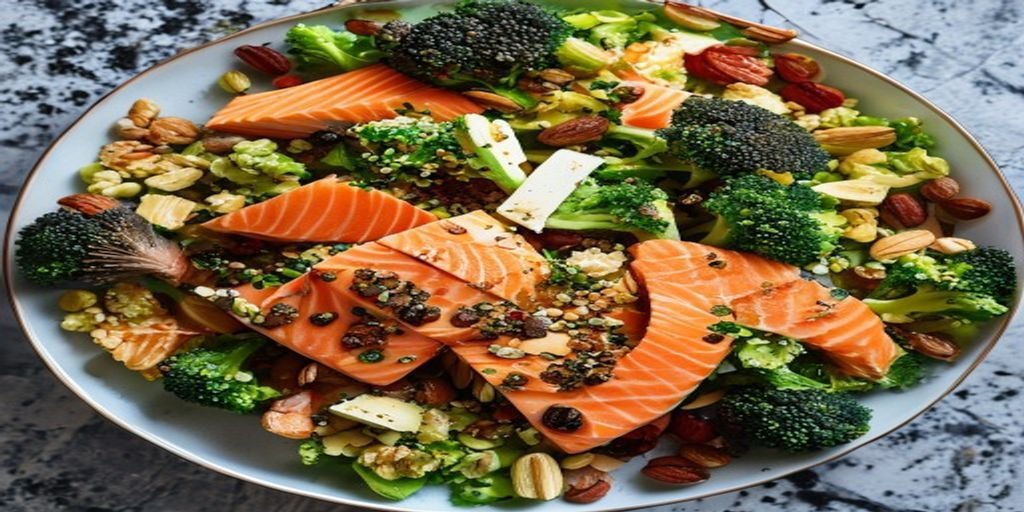
When it comes to nutrition, the DASH (Dietary Approaches to Stop Hypertension) eating plan is the gold standard. This flexible, balanced eating style requires no special supplements and instead focuses on daily nutritional goals:
- Increase Potassium and Magnesium: Eat 4–5 servings of vegetables and 4–5 servings of fruits daily to provide the antioxidants and minerals needed to relax blood vessels.
- Prioritize Lean Proteins and Whole Grains: Incorporate 6–8 servings of minimally processed whole grains and limit lean meats/fish to 6 ounces or less per day.
- Slash Sodium: The standard DASH diet limits sodium to 2,300 mg a day, but for maximum blood pressure reduction, capping sodium at 1,500 mg daily is highly recommended.
4. Advanced Diabetes Management and Metabolic Resilience
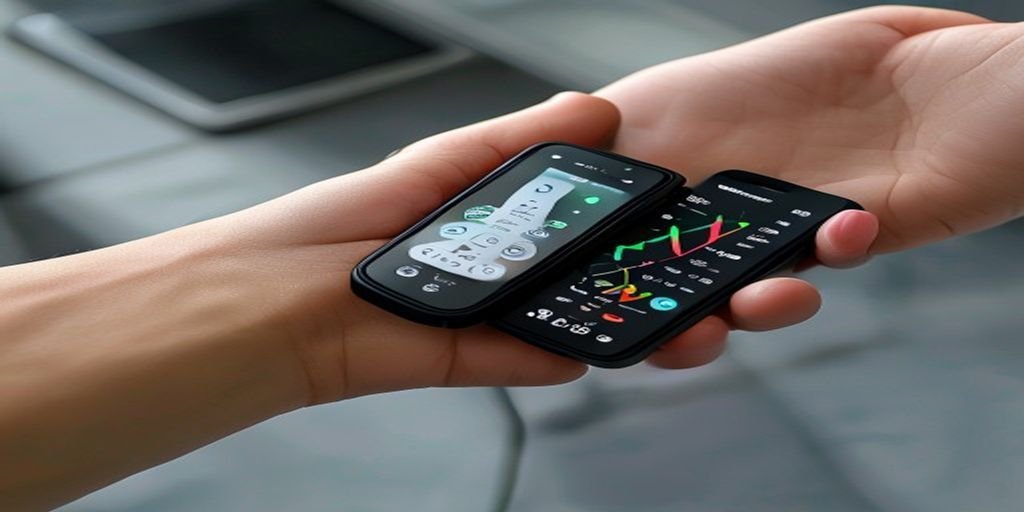
The routine management of Type 2 diabetes has historically involved painful daily finger-pricking. However, one of the biggest leaps in 2026 is the widespread integration of Continuous Glucose Monitoring (CGM) systems.
These small, wearable sensors provide real-time glucose data, trends, and alerts directly to your smartphone. This technology has significantly eased the burden of diabetes care, allowing individuals to instantly see how specific foods, stress, and sleep impact their blood sugar. By 2026, these devices are becoming minimally invasive and are increasingly integrating with AI to provide predictive, personalized lifestyle recommendations.
Nutrient Sequencing and Physical Activity
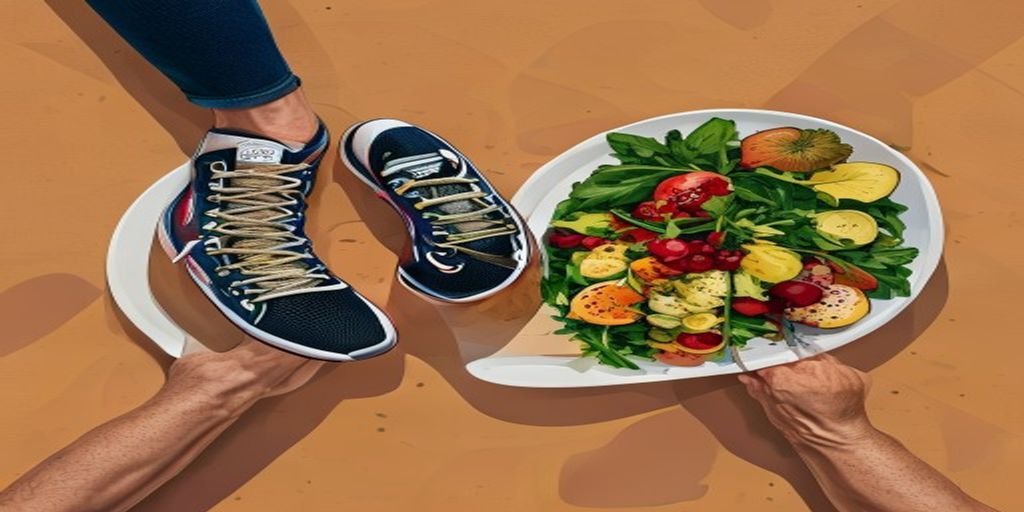
Beyond tracking data, the way you eat and move has a profound impact on glycemic control. Evidence-based lifestyle habits show that nutrient sequencing—eating the protein and vegetable components of your meal first, and saving the carbohydrates for 30 minutes later—can significantly blunt post-meal glucose surges.
Furthermore, exercise is a fundamental component of diabetes management. Skeletal muscle acts as a massive metabolic sink for glucose. Engaging in moderate exercise 30–60 minutes before an anticipated glucose peak, or taking a brisk 20-minute walk after a meal, dramatically improves insulin sensitivity and helps regulate blood sugar levels naturally.
Conclusion
The 2026 lifestyle is all about intentionality and proactive care. Whether you are practicing somatic techniques to lower your cortisol, diving into the world of microbiome health, following the DASH diet for your heart, or utilizing modern tech to monitor your blood sugar, every small habit compounds into a massive transformation.
If you are ready to take charge of your wellness journey this year, start small. Step away from your screens, focus on whole foods, and get moving. For more actionable tips and the latest health and lifestyle news, keep reading thedailynote.blog! Let’s make 2026 our healthiest, most vibrant year yet.